During the COVID-19 pandemic, work-life balance became more important than ever. At Amazon, I worked on a program that helped over 15,000 delivery partners and warehouse associates switch from full-time to part-time roles, giving them more flexibility to manage work and personal life.
💼 What We Did: ▶️ Flexible Schedules – Allowed employees to choose work hours that fit their needs. ▶️ Well-Being Support – Introduced programs to help with mental and physical health. ▶️ Tracking Progress – Used employee feedback and productivity data to measure success.
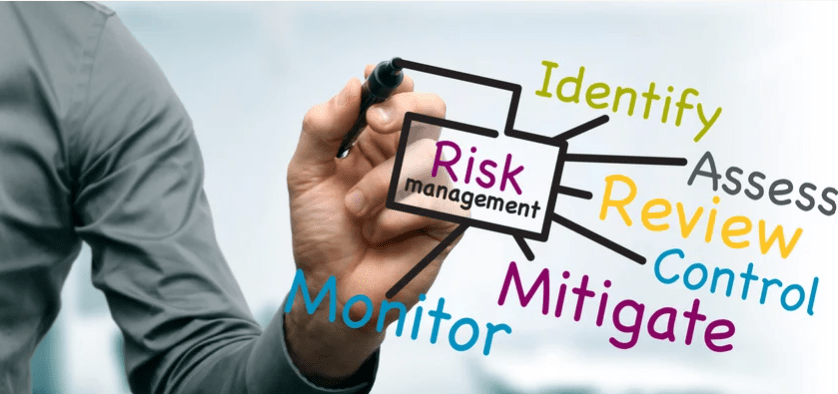
In any large-scale project, risks are inevitable. But how you approach those risks determines whether they derail your project or become a strategic advantage. One of my key responsibilities at both Amazon and Conviva was forecasting potential risks and implementing mitigation strategies—and it made all the difference in project success rates.
💡 Here’s How I Tackled It:
Proactive risk identification: I led team workshops where we identified risks for each sprint milestone, categorized by severity.
Built contingency plans: For high-impact risks, we created detailed fallback options that allowed for rapid course correction.
Early warning signals: Monitored KPIs to detect early signs of trouble, such as delays in dependencies or failing test cases.
🚀 The Result: We consistently delivered projects on time, even when unforeseen obstacles cropped up. By forecasting and neutralizing risks, teams maintained momentum without burning out.
Key Takeaway: Risks aren’t obstacles—they’re opportunities to demonstrate strategic thinking and adaptability.
AI has come a long way from simple rule-based systems to powerful chatbots like GPT-4. But now, we are moving toward Agentic AI that doesn’t just answer questions but acts on its own, makes decisions, and learns over time.
🔹 What is Agentic AI? Unlike traditional AI that waits for instructions, Agentic AI can take initiative. It can: ✅ Break big tasks into smaller tasks and steps ✅ Make efficient decisions based on real-time data ✅ Can improve over time
🔹 Why Does This Matter? For Technical Program Managers (TPMs) and engineering leaders, this could change how we work: 📌 Software Development: AI that fixes bugs and improves code, drastically reducing the cycle time 📌 Operations: AI that predicts and prevents system failures, generates Alerts. 📌 Customer Support: In customer support by better understanding customer query and solve on the go without human interaction 📌 Project Management: AI that tracks progress day in and day out and flags risks automatically 📌 Cybersecurity: Agentic AI can monitor networks, systems, and user behavior to detect unusual data transfers or malware activity and take immediate actions by blocking malicious IPs, isolating compromised systems, or enforcing stronger authentication, all without human intervention.
🔹Although, there can bea few potential Challenges: ⚠ Can we trust AI to make accurate decisions? ⚠ How do we make sure it’s ethical and unbiased? ⚠ How do humans and AI work together effectively?
Agile methodologies revolutionized how tech teams operate, but as someone who’s driven Agile transformations, I’ve seen that Agile itself is evolving. From its early focus on speed and flexibility, the emphasis is shifting toward outcome-based delivery, cross-functional collaboration, and long-term adaptability.
🔍 Where I See Agile Going: 1. Outcome-driven sprints: Teams will prioritize delivering measurable business impact rather than simply completing tasks. Customer value, retention and engagement, Return on Investments and churn backed by Data Analytics will out shadow process driven metrics like Agile ceremonies and velocity
2 Cross-functional teams: Breaking down silos will be key to faster delivery and innovation.
3 Hyper Agility through AI in Agile: Machine learning will assist with sprint planning, managing Backlogs, resource allocation, and risk prediction. AI will forecast risks (delays, defects) and team performance using historical data that will enhance decision making
4 AI can be the next Agile Coach: AI might evolve into virtual Agile Coaches that is trained and the model will keep on improving for process optimization, retrospectives and helping with real time challenges/blockers
5 Scaling Beyond Software’s to Enterprise: Teams will expand to enterprise level contributing to scaling, driven by Frameworks like SAFE 6.0, Less and Disciplined Agile.
🌟 Why This Matters: In my experience at Amazon and Conviva, aligning Agile processes with strategic goals has been critical to achieving growth and innovation. The teams that succeed in the future will be those that adapt Agile to changing environments and evolving customer needs. AI and Machine Learning will be the transformers for change. 💬 Where do you think Agile is heading, and how are you preparing your teams for it? Share your thoughts! hashtag#AgileLeadershiphashtag#TechTrendshashtag#ProgramManagementhashtag#FutureOfWorkhashtag#AIhashtag#MachineLearning
n the world of program management, silos kill productivity. That’s why I’m a huge believer in fostering collaboration between different departments. There are many memorable examples of this at Amazon and Conviva, where cross-functional collaboration drove major project wins.
💡 Why Collaboration Mattered: At Conviva, we needed to deliver SDKs to customers under tight deadlines. At Amazon, global projects required coordinated effort across geographically dispersed teams. What both situations taught me is this: when teams understand each other’s roles and responsiblities they can unlock hidden efficiencies. 🔑 How We Made It Work: 1 Weekly alignment meetings: Instead of waiting for issues to arise, we created proactive touchpoints where teams could raise potential blockers early. 2 Shared accountability: Whether it was engineering, product, or QA, Sales or Marketing, everyone took ownership of deliverables and celebrated collective wins. 3. Defined escalation paths: Knowing when and how to escalate problems minimized delays and decision paralysis. 4 Understand and support cross functional teams: Its important to understand the priorities of dependent teams and plan accordingly. Always try to find the middle ground. Setting up right expectation is the key.
🌟 The Impact: • Reduced dependency delays across time zones, improving delivery time by 20% for global product launches. • Enhanced team morale by building a culture of shared success. 💬 Collaboration isn’t just a “nice-to-have”—it’s a productivity multiplier. How has cross-functional teamwork helped you deliver better outcomes or the challenges you faced during collaboration? Drop your thoughts below! hashtag#CrossFunctionalTeamshashtag#ProgramManagementhashtag#Teamworkhashtag#Leadershiphashtag#Collaborationhashtag#TechInnovation
Great products aren’t built in isolation—they’re built by listening, iterating, and constantly improving. While working in Amazon, we embraced iterative development to deliver various features for Amazon Music. This approach not only helped us deliver faster but also ensured the product aligned with real user needs.
🔑 Key Steps We Followed: • Rapid prototyping: Built MVPs to gather early feedback. • Beta testing: Ran controlled tests with select users to identify improvements before full-scale launch. • Feedback loops: Created mechanisms to continuously gather and implement customer feedback.
📈 The Result: • Increased listener engagement by 20-25% within few months after launches. • Delivered features on and ahead of schedule.
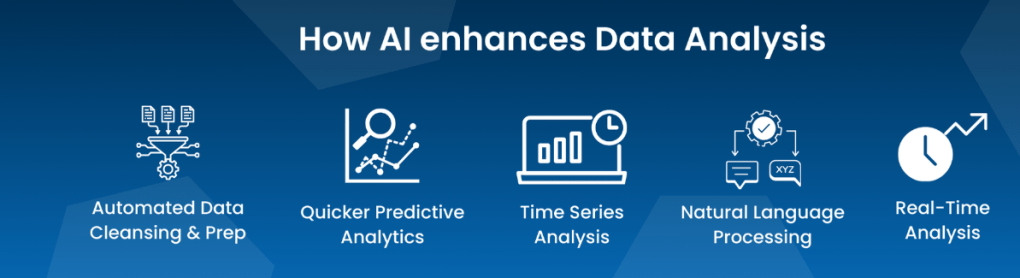
Working with real-time analytics at Conviva, I have seen how AI can transform data into powerful insights, helping businesses move from reacting to problems to proactively making smarter decisions. 🔍 What AI Brings to the Table: ✔ Predictive Analytics: Spotting trends and catching issues before they happen. Comparing the seasonality in data and continuously enhancing Quality of Experience ( QoE) Metrics ✔ Personalized Experiences: Using real-time data to tailor products to users. ✔ Faster Insights: Automating analysis so teams can focus on big-picture strategy. ✔ AI Alerts: Detect deviations from baseline and send alerts to the users.
📊 Real-World Example: At Conviva, we used AI-driven analytics to monitor user experiences for clients. The data helped improve product quality, reduce downtime, and enhance customer satisfaction.
🔑 Takeaway: Companies that know how to turn data into action, all in real time will win the future. AI is no longer optional – it’s essential for making smarter, faster and reliable decisions. 💬 How is your team using AI to work smarter? Let’s discuss!
Working with teams spread across different time zones at Amazon and Conviva taught me that remote collaboration isn’t just about overcoming challenges, it’s about unlocking new opportunities for innovation and efficiency when done right.
💡 What Helped Us Work Better: ✔ Async Collaboration: Use shared tools & docs like Slack, Jira Dashboards, and Confluence pages so teams can work without waiting for real-time responses. So work keeps moving, no matter the time zone. ✔ Smart Scheduling: Rotate meeting times to keep things fair for everyone. ✔ Cultural Awareness: Adapt communication styles to respect different ways of working. ✔ Leadership & Trust-Building: Trust teams to take responsibility without micromanaging.
🚀 The Results: By improving how we worked across regions, we cut project delays by 20% and still meet deadlines, even with time zone differences.
🔑 Key Takeaway: Global teams aren’t a roadblock, they’re an opportunity to learn, innovate, and build stronger connections.













 Rahul Kumar - Driving Tech Success