

In any large-scale project, risks are inevitable. But how you approach those risks determines whether they derail your project or become a strategic advantage. One of my key responsibilities at both Amazon and Conviva was forecasting potential risks and implementing mitigation strategies—and it made all the difference in project success rates.
💡 Here’s How I Tackled It:
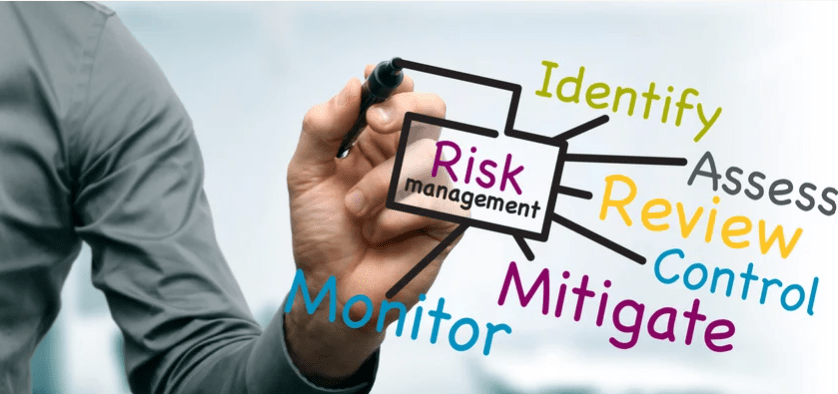
- Proactive risk identification: I led team workshops where we identified risks for each sprint milestone, categorized by severity.
- Built contingency plans: For high-impact risks, we created detailed fallback options that allowed for rapid course correction.
- Early warning signals: Monitored KPIs to detect early signs of trouble, such as delays in dependencies or failing test cases.
🚀 The Result: We consistently delivered projects on time, even when unforeseen obstacles cropped up. By forecasting and neutralizing risks, teams maintained momentum without burning out.
Key Takeaway: Risks aren’t obstacles—they’re opportunities to demonstrate strategic thinking and adaptability.

 Rahul Kumar - Driving Tech Success